
Fabick / Blog
Back to all PostsSkid Steer vs Compact Track Loader: What’s Best for the Job?
November 19, 2026
Skid Steer vs Compact Track Loader: What’s Best for the Job?
Skid steers and compact track loaders can handle many of the same jobs, but they perform differently depending on the terrain, the traction you need, how often you travel, and a whole lot more. We had our experts compare the differences in this guide, so you can choose the machine that best fits the work you actually do.
Comparing Skid Steers vs Compact Track Loaders Side-By-Side
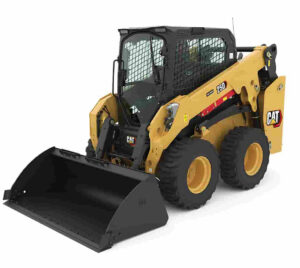
Skid Steer Loader |
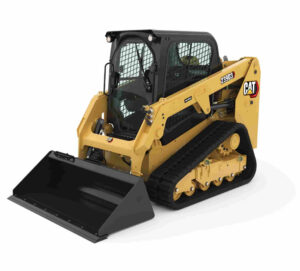
Compact Track Loader |
|
| Undercarriage | Wheels and tires | Tracks |
| Firm surfaces | Often a strong fit for concrete, asphalt and compacted ground | Can work on firm surfaces, but track wear is an important consideration |
| Soft or muddy ground | More likely to lose traction or sink depending on conditions | Tracks generally provide better flotation and traction |
| Ground disturbance | Tight turns can tear up loose soil or turf | Lower ground pressure can help, but sharp turns can still disturb the surface |
| Maneuverability | Very maneuverable, especially on hard surfaces | Also turns tightly, but the tracked undercarriage creates more resistance |
| Travel speed | Generally faster than a comparable CTL | Usually slower than a wheeled skid steer |
| Transport | Often lighter and easier to haul | Tracks and undercarriage components add weight |
| Maintenance focus | Tires and wheel-related components | Tracks, rollers, idlers and undercarriage components |
| Attachments | Wide range of available work tools | Wide range of available work tools |
| Common fit | Hard surfaces, material handling, snow removal and general construction | Grading, landscaping, land clearing and variable ground conditions |
Main Differences Between Both Machines
The biggest difference is easy. Skid steers run on wheels. Compact track loaders run on tracks.
But those wheels and tracks affect much more than how the machines move. They can change how each machine handles soft ground, how much traction it has, how quickly it travels, what it takes to transport and maintain, and even how well it fits certain types of work.
With that in mind, let’s break down the 10 key differences to help you decide which machine is right for you.
1. Terrain and Ground Conditions
Start with the ground you work on most often. For many buyers, this is one of the quickest ways to narrow down the choice.
When a Skid Steer May Be a Better Fit
If most of your work happens on firm ground, a skid steer may be all you need.
Skid steers are often a good fit for surfaces such as:
- Concrete
- Asphalt
- Compacted gravel
- Hard-packed dirt
- Developed jobsites
- Barn floors
- Paved farmyards
- Parking lots
Wheels move efficiently across hard surfaces, and a skid steer can turn and travel quickly without dragging a tracked undercarriage through every change of direction.
Think about a machine spending most of its day moving pallets around a paved yard, cleaning up a concrete jobsite or working inside and around barns. In those situations, the benefits of tracks may not outweigh the added weight and undercarriage maintenance.
When a Compact Track Loader May Be a Better Fit
If the job regularly takes you off firm ground, a CTL starts to become more appealing.
Compact track loaders are often a strong choice for:
- Mud
- Loose soil
- Sand
- Soft jobsites
- Uneven ground
- Turf
- Recently disturbed soil
- Variable terrain
The tracks put more of the machine in contact with the ground and spread its weight over a larger area. This is what people mean when they talk about flotation.
In practical terms, better flotation can help the machine stay on top of softer ground rather than sinking in as easily.
If you regularly find yourself waiting for a site to dry out, spinning tires in loose soil or working across lawns and disturbed ground, that difference can matter a lot.
A CTL can still get stuck, though. Tracks do not make soft or unstable ground automatically safe to work on, so conditions still need to be evaluated for the specific job.
2. Traction
If your work involves a lot of pushing, grading or climbing through loose material, traction deserves a close look.
This is one area where CTLs often stand out.
Because the tracks stay in contact with more of the ground, a compact track loader can maintain better traction in conditions where tires may start to spin. That can be especially useful when pushing into a pile, grading loose soil or working through mud.
A skid steer can still have plenty of grip on firm ground, especially when it is equipped with the right tires.
The difference becomes more noticeable when conditions start changing.
If your typical jobsite can go from dry and hard-packed one day to muddy and soft after a storm, the added traction of a CTL may be worth considering.
3. Ground Pressure and Surface Disturbance
If you work on lawns, finished properties or softer ground, you probably care about more than whether the machine can get through the site. You also care about what the ground looks like when you are finished.
Because tracks spread the machine’s weight across a larger area, CTLs can put less pressure on the ground and may be less likely to sink or leave deep ruts in soft conditions.
That is one reason compact track loaders are so common in landscaping, grading and property maintenance.
But tracks do not make a machine “turf friendly” by default.
Both skid steers and CTLs steer by changing the speed or direction of the two sides of the machine. Make a sharp enough turn on soft turf and either one can leave a mark.
If protecting the surface matters, think about:
- How soft the ground is
- Machine operating weight
- Track width
- Tire or track design
- Attachment and load weight
- How many passes the machine will make
- How aggressively the operator turns
The undercarriage makes a difference, but operator technique can make just as much of one.
4. Maneuverability and Turning
Both machines are built to work in tight spaces.
A skid steer tends to feel especially quick on firm ground. Because the tires can skid across the surface during a turn, the operator can change direction quickly and work comfortably in confined areas.
That can be useful when you are:
- Working between buildings
- Loading around parked trucks
- Moving material inside a tight yard
- Cleaning up a paved jobsite
- Constantly changing direction
A CTL can make the same kinds of tight turns, but the tracks create more resistance as they move across the ground.
If you’re making frequent turns on concrete or pavement, a skid steer may be the better choice. On loose dirt or soft ground, however, a CTL’s added traction may outweigh the extra resistance created during turns.
5. Travel Speed
How much time will the machine spend actually traveling?
That is easy to overlook, but it can make a difference over the course of a workday.
Skid steers are generally faster than comparable CTLs. If you are repeatedly carrying material from one end of a large site to another, that extra travel speed can help shorten each cycle.
Picture two very different jobs.
On one, the operator spends the day moving material back and forth across a large paved site. Travel speed matters.
On the other, the machine spends most of its time grading one area, pushing material or running an attachment. Maximum travel speed probably matters much less.
When comparing machines, think about how much of the day will be spent getting to the work versus actually doing the work.
6. Lifting, Pushing and Stability
It is common to hear that a compact track loader is simply “stronger” than a skid steer.
That is not a very useful way to compare them.
The heavier tracked undercarriage and larger contact area of a CTL can help with traction and stability, particularly when pushing material or working on uneven ground.
But if your main concern is how much a machine can lift, you need to look at the specifications of the actual models you are comparing.
Pay attention to:
- Rated operating capacity
- Tipping load
- Operating weight
- Breakout force
- Lift height
- Reach
- Lift path
- Counterweight configuration
For example, if your main job is loading trucks, lift height and reach may matter just as much as rated operating capacity.
If you are moving pallets, machine stability and the load’s position become important.
If you spend most of the day pushing dirt, traction and breakout force may deserve more attention.
Do not choose a CTL simply because you assume tracks mean it will always lift more.
Also check how rated operating capacity is calculated. Published ROC figures may use different percentages of tipping load depending on the machine type, so read the specification notes before comparing two headline numbers.
7. Machine Weight and Transportation
If you move your machine from job to job, do not leave transportation out of the comparison.
Compact track loaders generally weigh more than similarly sized skid steers because of the track and undercarriage system.
That added weight can be useful while the machine is working, but you still have to haul it to the job.
Before choosing a machine, think about the entire transport setup:
- Machine operating weight
- Attachment weight
- Extra attachments traveling with it
- Trailer weight
- Tow vehicle capacity
- Tie-down requirements
- Applicable transportation rules
This matters even more if your machine is on a trailer almost every day.
A CTL may be the perfect machine once it reaches the jobsite, but if its weight forces you to change trailers or tow vehicles, that should be part of the buying decision.
8. Maintenance
Wheels versus tracks also changes what you will be inspecting, maintaining and eventually replacing.
What Maintenance Looks Like on a Skid Steer
For skid steers, tires are one of the biggest undercarriage-related wear items.
How long they last depends heavily on how you use the machine.
Things like rough surfaces, debris, heavy loads and constant tight turns can all increase tire wear.
If most of your work happens on abrasive pavement or concrete, choosing the right tire for that environment can make a big difference.
What Maintenance Looks Like on a Compact Track Loader
A CTL has more going on underneath the machine.
Depending on the design, the undercarriage can include:
- Tracks
- Rollers
- Idlers
- Sprocket or drive components
- Track tension components
- Undercarriage frames
Those parts work in dirt, mud, rock and debris all day, so regular inspection matters.
Track life also depends heavily on how the machine is operated. Sharp turns, rough surfaces, debris and improper track tension can all contribute to wear.
If you are choosing between a skid steer and CTL, think beyond the purchase price. Ask yourself what surfaces you will work on most often and whether the extra traction of a tracked machine is worth the additional undercarriage attention for your operation.
9. Attachments and Hydraulic Performance
For many buyers, the machine is really a platform for the attachments they need to run.
Both skid steers and compact track loaders can handle a wide range of work tools, including:
- Buckets
- Grapples
- Pallet forks
- Augers
- Trenchers
- Brush cutters
- Mulchers
- Brooms
- Snow blades
- Snow blowers
- Hammers
- Rakes
- Grading attachments
In many cases, compatible skid steers and CTLs can even share attachments. But if a particular attachment is central to your work, do not choose the machine first and worry about the work tool later. Start with the attachment.
Download the Cat® Attachments Guide for Skid Steers & Compact Track Loaders
Ask what hydraulic flow and pressure it requires, whether it needs electrical controls or additional connections, and whether its weight and size are appropriate for the machine.
Before moving an attachment between machines, check:
- Coupler compatibility
- Hydraulic flow
- Hydraulic pressure
- Electrical connections
- Attachment weight
- Machine capacity
- Application requirements
If your work depends heavily on attachments such as mulchers, brush cutters, trenchers or other hydraulically demanding tools, hydraulic performance may end up being just as important to your decision as wheels versus tracks.
10. Operator Comfort and Controls
If you are going to spend eight or ten hours in the cab, how the machine feels matters.
A CTL’s tracks and undercarriage can change the ride compared with a wheeled skid steer, particularly on rough or uneven terrain. Some compact track loaders also use suspended undercarriage designs intended to help smooth out the ride.
But comfort should still be compared machine by machine.
Depending on the model and configuration, modern skid steers and CTLs may offer features such as:
- Enclosed cabs
- Heating and air conditioning
- Suspension seats
- Joystick controls
- Electronic displays
- Rear cameras
- Adjustable drive response
- Adjustable implement response
- Ride-control features
When you are comparing machines, do not just sit in the cab for a minute.
Think about what a full workday will feel like.
Can you see the cutting edge clearly? Are the controls comfortable? Can you adjust the machine response to suit the work? Is it easy to get in and out? How does the ride feel over the type of ground you normally work on?
Those details may not show up at the top of a spec sheet, but they can matter every day you own or operate the machine.
Comparing Skid Steers vs Compact Track Loaders Based on the Work You’re Doing
Sometimes it is easier to compare the two by looking at the work itself.
| Application | Machine to Consider |
Why It’s the Better Choice |
| Concrete or asphalt work | Skid steer | Wheels are well suited to firm surfaces and generally offer faster travel with simpler undercarriage maintenance |
| Soft-ground grading | Compact track loader | Tracks can provide better traction and flotation |
| Landscaping and turf work | Compact track loader | Lower ground pressure can help reduce rutting on softer surfaces |
| Tight hard-surface jobsites | Skid steer | Quick turning and compact size work well in confined areas |
| Muddy jobsites | Compact track loader | Tracks generally provide better traction and flotation |
| Material handling | Skid steer or CTL | Lift capacity, travel distance and surface conditions may matter more than undercarriage type |
| Agricultural work | Skid steer or CTL | The best choice depends on whether most work happens on firm yards or softer ground |
| Land clearing | Compact track loader | Traction and ground contact can be helpful on variable terrain |
| Snow removal | Skid steer or CTL | Surface, snow conditions, tires or tracks and attachment choice all matter |
| Frequent jobsite travel | Skid steer | Higher travel speed can help reduce cycle times |
| Soft residential property work | Compact track loader | Flotation and lower ground pressure may help protect softer ground |
Which Is Better for Landscaping?
If you spend a lot of time grading land, moving soil, prepping beds or working across lawns and soft ground, a compact track loader is often worth a closer look.
The tracks spread the machine’s weight over a larger area, which can help with traction and flotation when the ground is loose, soft or recently disturbed. That can be especially helpful when you are carrying material across a yard, shaping a grade or working after wet weather.
But a CTL is not automatically the better landscaping machine.
If your work is mostly hardscaping, moving pallets, working around paved commercial properties or squeezing into tight developed spaces, a skid steer may make more sense. Its wheels are well suited to firm surfaces, and the machine can feel quicker when you are constantly changing direction.
The best question to ask is: Where will this machine spend most of its time?
If the answer is lawns, dirt and changing ground conditions, a CTL may have the advantage. If it is concrete, pavement and tighter developed spaces, a skid steer may be the better fit.
Which Is Better for Construction?
For construction work, there is no easy winner because both machines can earn their place on a jobsite.
A skid steer can be a great choice when most of the work happens on firm ground. Think moving material around a paved site, cleaning up demolition debris, handling pallets or working around concrete where quick turns and faster travel are useful.
A compact track loader starts to make more sense when the jobsite gets rougher.
If you are grading, prepping a site, supporting excavation work or dealing with mud and uneven ground, the extra traction and flotation from tracks can be a real advantage.
A simple way to think about it:
- Mostly hard, developed surfaces? A skid steer may be the better fit.
- Mostly dirt, mud or changing ground conditions? A CTL may be the stronger choice.
- A little of everything? Compare the machine specs, attachments and jobsite conditions instead of choosing based on wheels or tracks alone.
That is why many contractors end up using both. Each machine tends to shine in different parts of the job.
Which Is Better for Agriculture?
For farm and agricultural work, the decision usually comes down to where the machine will work and what you need it to do.
If most of your day is spent around barns, feed areas, concrete lots or paved yards, a skid steer can be a very practical option. It is maneuverable, quick on firm surfaces and well suited to material handling.
If your work regularly takes you out into fields, muddy lots or uneven ground, a compact track loader may be easier to live with. The extra ground contact can help with traction when conditions get soft, especially during wet seasons or when working away from improved surfaces.
Think about the jobs you do most often:
- Moving feed or pallets around a barn
- Cleaning pens or handling material on concrete
- Maintaining fields and rural property
- Clearing brush
- Moving dirt, gravel or manure
- Working in muddy or uneven areas
If most of those jobs happen on firm ground, a skid steer may be all you need. If your work regularly moves between hard surfaces and softer ground, a CTL may give you more flexibility.
Attachments matter too. If you rely on augers, grapples, brush cutters or other hydraulic work tools, compare the hydraulic performance of the actual machines along with the undercarriage.
Which Is Better for Snow Removal?
For snow removal, the better machine depends less on whether it has tracks or tires and more on the surface and snow conditions you deal with most often.
A skid steer can be a great fit for parking lots, paved drives and other hard surfaces. Its wheels make it quick and maneuverable, which can be helpful when you are clearing around curbs, parked vehicles, loading areas or tight commercial spaces.
A compact track loader can also be a strong snow machine, especially when conditions are deeper, softer or more uneven. But tracks are not automatically better just because there is snow on the ground. On hard-packed snow or ice, traction can vary depending on the track design and surface conditions.
If snow removal is a major part of your work, think about:
- Whether you are clearing pavement, gravel or unpaved areas
- How often you deal with packed snow or ice
- How much traveling the machine will do between passes
- The tires or track tread on the machine
- The snow attachment you plan to use
- Whether you also need the machine for off-pavement work before or after winter
For mostly paved lots and drives, a skid steer may be the simpler choice. If your winter work also takes you onto softer, uneven or unpaved ground, a CTL may give you more flexibility.
Find the machine built for the way you work.
Shop skid steer loaders & compact track loaders>>>